Australian Breastfeeding + Lactation Research and Science Translation
our vision
To bring diversity, passion and innovation to lactation research that makes positive impacts on mothers, babies, communities and health professionals worldwide.
______________________

The ABREAST Network is at the forefront of human lactation studies, constantly pushing boundaries and contributing groundbreaking insights. Extending reach beyond borders contributing to a global impact, influencing policies and practices that positively affect breastfeeding mothers and infants worldwide.
our mission
To conduct integrative mother/baby centered research that empowers families, communities and clinicians to improve health.
______________________
ABREAST CONFERENCE 25 JUNE 2026
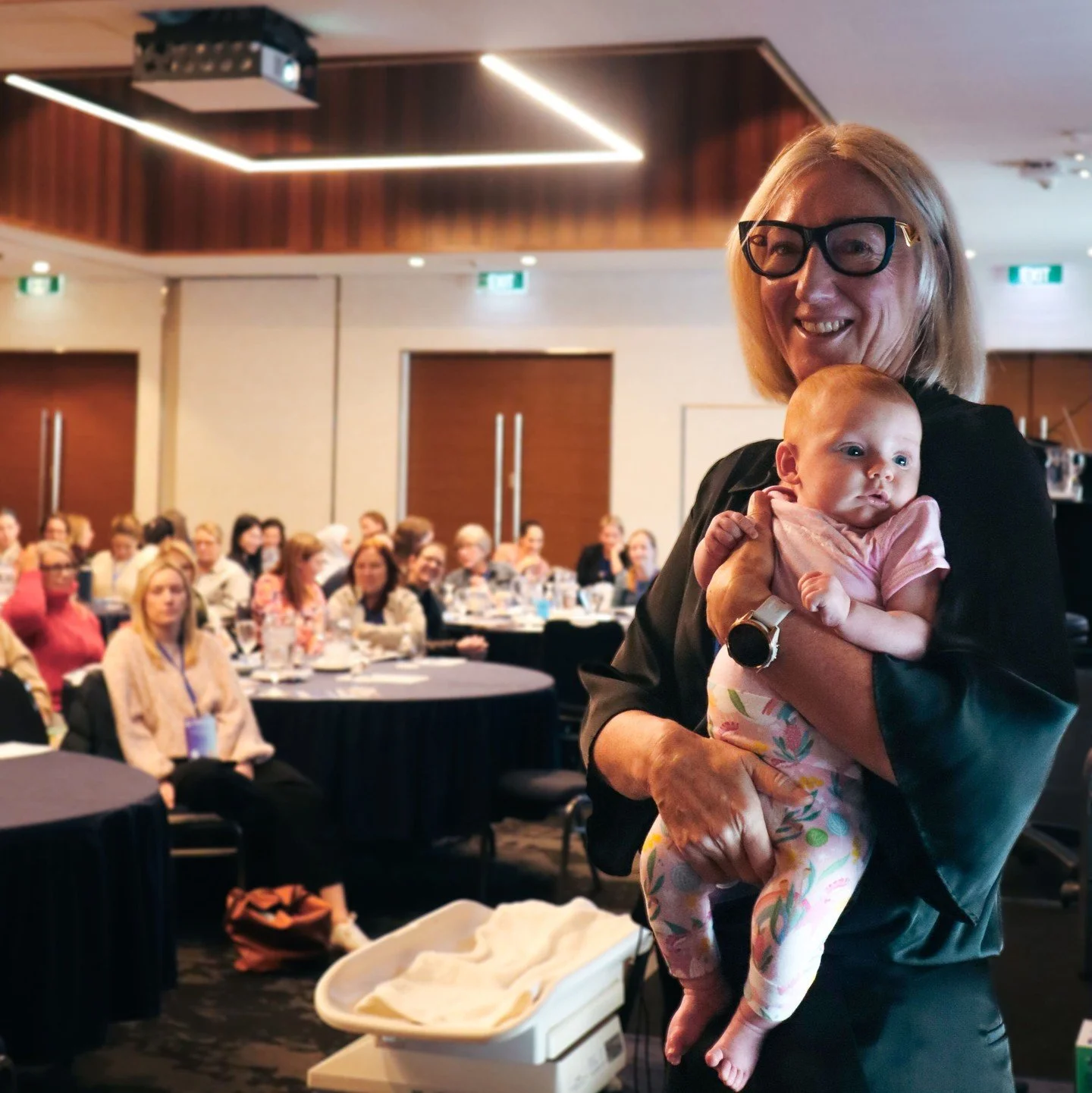
#SPEAKER SPOTLIGHT - Prof Donna Geddes
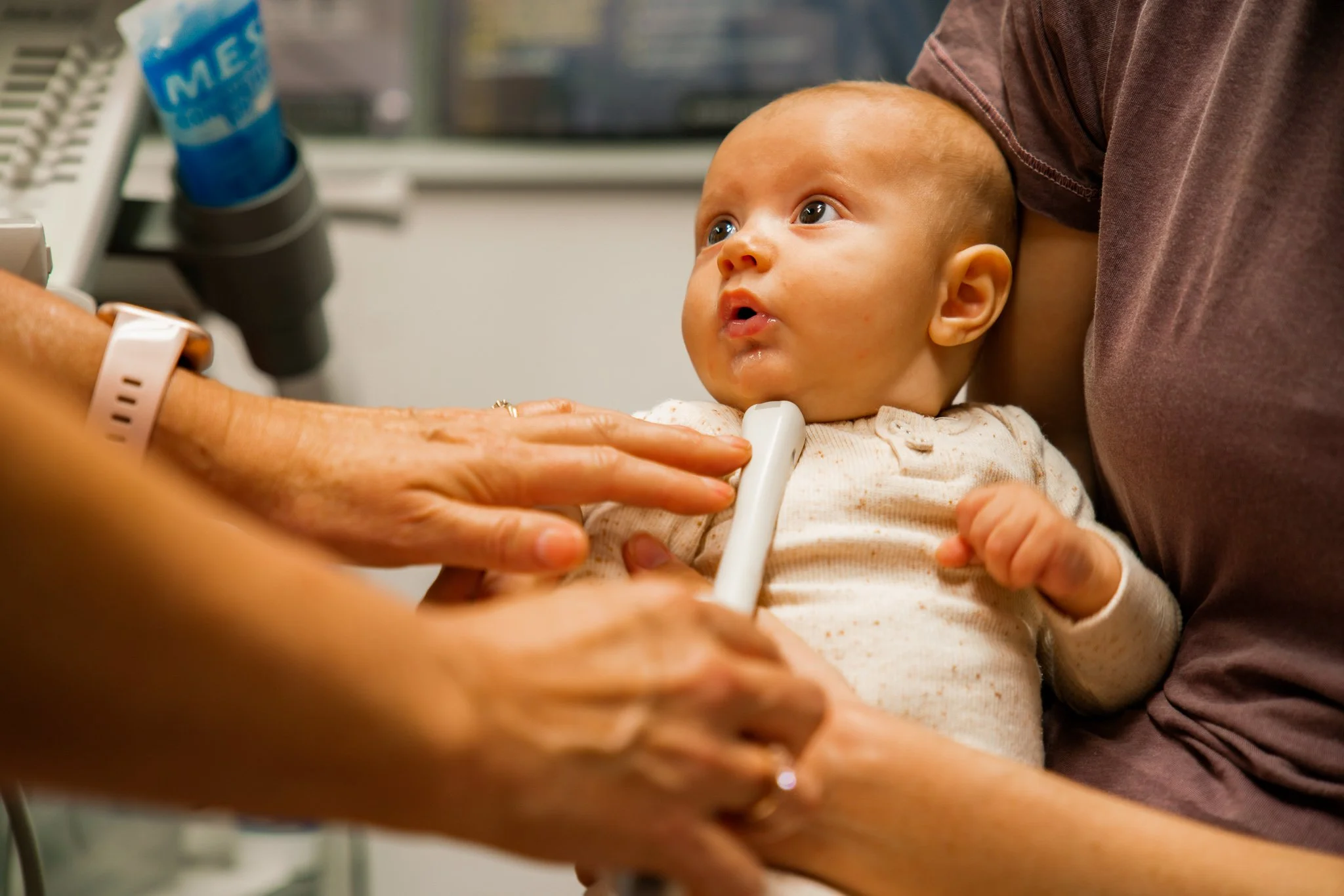
Donna is a #lactation scientist and is renowned for her novel work with ultrasound imaging that has revolutionized the understanding of the anatomy of the lactating #breast, milk ejection and blood flow, as well as the infant’s #sucking technique, suck-swallow-breathe co-ordination, gastric emptying, and body composition of both the term and preterm #infant. Her research has expanded to include the synthesis and removal of milk from the breast, the composition of human milk and its impact on the growth and body composition of breastfed infants, the investigation of human milk metabolites and the search for biomarkers that are indicative of breast dysfunction. As #Director of the Geddes Hartmann Human Lactation Group, Donna runs a #holistic research program that endeavours to provide evidence to underpin clinical practice, improve breast milk production and develop diagnostic tests for women experiencing breastfeeding difficulties.
Donna has published over 250 peer-reviewed articles on human lactation. She was awarded The University of Western Australia Senior Research #Award in 2022 and is Director of the UWA Centre for Human Lactation Research and Translation, and Founder of the #ABREAST Network.
We are thrilled to announce Donna will be hosting two #live #ultrasound demos at ABREAST2026!
1. Live ultrasound #sucking demonstration:
Ultrasound imaging gives us a real-time window into the mechanics of breastfeeding that cannot be easily observed any other way. By placing a transducer beneath the infant's chin during a feed, we can visualise tongue movement, nipple elongation and milk flow. As such ultrasound may allow us to visualise infant oral anomalies that potentially impact milk removal from the breast. These conditions include tongue tie, and cleft lip/palate. This ultrasound demonstration of infant sucking combined with measurement of milk volume removed from the breast will provide a greater understanding of the impact of oral anomalies on breastfeeding.
2. #Live ultrasound #shield fitting demonstration:
EARLY BIRD REGISTRATIONS ARE AVAILABLE NOW
Link in Bio
ABREAST CONFERENCE 25 JUNE 2026
SPEAKER SPOTLIGHT - Tanya van Aswegen
Tanya is an Accredited Practising #Dietitian with almost two decades of experience in clinical and public health nutrition across Australia, the United Arab Emirates, South Africa, and the United Kingdom. She holds a Master of Public Health and is currently a first year PhD candidate at UWA. Tanya’s clinical practice and research focus on #supporting breastfed #infants and their #caregivers navigating #food #intolerances and #allergies, with a particular interest in improving caregiver experiences, and evidence-informed care in this complex space.
Tanya will be presenting at #ABREAST2026 on:
Over-diagnosed or under-recognised? A look at food allergy in breast-milk fed infants
#Food #allergies are #immune reactions to specific food proteins and can affect the #gut, #skin or #respiratory system. In breastfed infants, this is a particularly complex and uncertain space. Symptoms are often delayed, overlap with normal infant behaviour, and we have limited validated diagnostic tools to guide us. Much of the current management is based on consensus rather than strong evidence, creating potential risks of both over and under-diagnosis. Tanya will explore what is currently known about this area and where the gaps remain. There will also be insights shared from a new qualitative study capturing the lived-experiences of Australian caregivers and healthcare providers, which might help improve care and shape meaningful research priorities in this field.
Join Us! Early bird registrations are now #open - LINK IN BIO
ABREAST CONFERENCE 25 JUNE 2026
SPEAKER SPOTLIGHT - John Klauz
John is a #paediatric #physiotherapist with a special interest in #newborn infants with positional deformities and intrauterine packaging disorders. He completed his physiotherapy degree at Curtin University and a Master of Advanced Paediatric Physiotherapy Practice at Monash University. He currently practices at Bloom Pelvic Health in Stirling, and Kwinana Physiotherapy.
John will be presenting at #ABREAST2026 on:
Beyond the Frenulum: Musculoskeletal Barriers to Breastfeeding
Breastfeeding difficulties are often attributed to oral restrictions such as tongue-ties, yet infant musculoskeletal and developmental factors may also influence feeding success. This presentation explores how conditions including congenital muscular torticollis, deformational plagiocephaly, hypotonia, and selected congenital disorders can affect infant positioning, cervical mobility, and latch mechanics. Paediatric physiotherapist John Klauz discusses the role of early identification, interdisciplinary collaboration, and physiotherapy-informed positioning strategies in supporting breastfeeding outcomes, while addressing common myths surrounding manual therapies and musculoskeletal treatment in infants.
Early bird registrations are now open! LINK IN BIO
ABREAST CONFERENCE 25 JUNE 2026 SPEAKER SPOTLIGHT - Holly Tickner
Holly Tickner is a Speech Pathologist (BSc, MSPA, CPSP) who has worked for the past two decades in the area of paediatric feeding difficulties, which has become her core clinical passion. She has spent the majority of her career in paediatric and neonatal tertiary hospital settings. She established the Speech Pathology role at King Edward Memorial Hospital and was heavily involved in the #NICU ward and outpatient feeding services at Perth Children's Hospital (formerly Princess Margaret Hospital) for many years. Holly considers herself fortunate that in addition to this, during her career she has had the opportunity to work across paediatric mental health, community services, the disability sector, early intervention, and academia. Holly regularly teaches on paediatric feeding disorders to health professionals nationally and internationally and supports many allied health professionals across the country with clinical supervision and mentoring. Holly is deeply committed to evidence-based practice and enjoys robust discussion in this space. Through her role as a writer and science communicator with The Informed SLP, Holly translates research into practical, clinically relevant guidance, with a focus on infant feeding, paediatric feeding disorders and early intervention.
Holly will be presenting at #ABREAST2026 on:
SNIP HAPPENS; When feeding challenges persist after tongue-tie release
Parents often hope the release of their baby's tongue-tie will improve a laundry-list of infant feeding challenges. But what about the babies who don't improve? Join Holly Tickner, Speech Pathologist (MSPA, CPSP), for a series of short case studies illustrating the need for thorough and comprehensive feeding evaluation, including functional oral motor assessment of infant feeding.
Early bird registrations are now open https://www.abreast.network/abreast-2026
Link in Bio
Early bird registrations for #Abreast2026 are now open!
Save on registration, join a powerhouse line up of speakers and supporters advancing research and advocacy and help shape the conversation.
Link in Bio: https://www.abreast.network/abreast-2026
#Abreast2026 #Accessibility #Diversity #EarlyBird
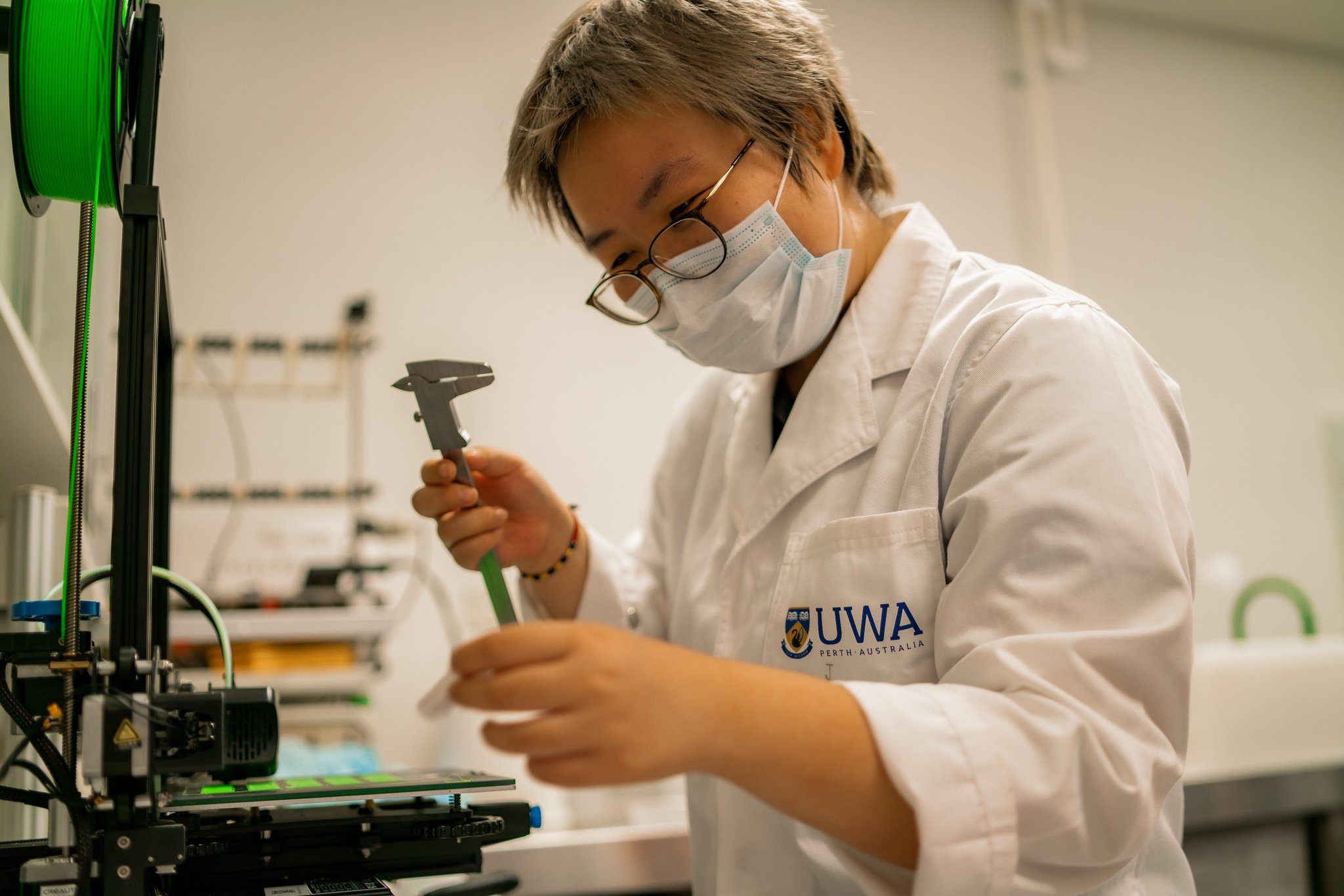
Huge congratulations to Xuehua Jin on submitting her PhD: Exploring milk composition and maternal factors in women with low milk supply. Your dedication and hard work inspire us all. Here’s to a bright future ahead! 🎉 Congratulations!
New Research Reveals Why Breastfeeding Can Be Challenging for Some Mothers
Our latest study has discovered something crucial about milk production: maternal body composition—not just weight—significantly impacts milk production, and it's not for the reasons you might think.
The Key Finding: Higher maternal adiposity (excess body fat) was linked to lower milk production, but here's the important part—it's NOT necessarily because of latch difficulties or mechanical problems. Instead, it appears to be related to incomplete breast development.
The Science: We studied 281 mothers and found that "breast storage capacity" (the amount of milk-producing glandular tissue) mediated nearly 70% of the relationship between body fat and milk production. Essentially, higher adiposity may interfere with proper breast development during pregnancy.
What This Means:
Nearly 18% of mothers had low milk supply (<600ml/24h)
Body composition analysis was more accurate than BMI alone in identifying at-risk mothers
Milk removal efficiency wasn't affected—so pumps and babies can still effectively empty the breast
The issue lies in milk synthesis, not milk transfer
The Takeaway: Our research provides biological evidence for what many mothers experience and validates that breastfeeding challenges aren't simply about "trying harder." It also suggests we need better antenatal screening and support for mothers at higher risk.
For healthcare providers and expecting mothers, this highlights the importance of antenatal lactation screening and early intervention for mothers with higher adiposity to optimise breastfeeding outcomes.
https://www.mdpi.com/2072-6643/17/23/3726
#BreastfeedingResearch #MaternalHealth #LactationScience #EvidenceBasedCare #UWAResearch
A new study explores low milk production after birth
Drs Nicole Manshanden and Joost Velzel from Noordwest Ziekenhuisgroep in The Netherlands collaborated with our Centre at The University of Western Australia to complete this study. #Congratulations Nicole on your first ‘first author’ paper!
Researchers looked at 136 breastfeeding mums to compare those with lower milk production in 24 hours (less than 600mL) to those with normal production.
Key takeaways:
- About 1 in 4 mums reported they had experiences a lower milk production.
- Some mums with low milk production had impaired breast development, or ‘breast hypoplasia’ that can cause low milk supply.
- Some mums had experienced low production in the early weeks after birth but were able to develop a full supply, while others were not able to increase their supply and had a low 24h measurement at ~3 months
- Many mums with low supply invested a lot of time and energy into trying to increase their supply, and said that getting help from a breastfeeding consultant was the most useful support.
Bottom line: Low milk production is complex and a common concern amongst breastfeeding mums. In many cases, it’s hard to explain or fully fix, so personalised help and more research are important.
To read the full study please visit https://pubmed.ncbi.nlm.nih.gov/40818958/
#Breastfeeding #LactationSupport #MaternalHealth